
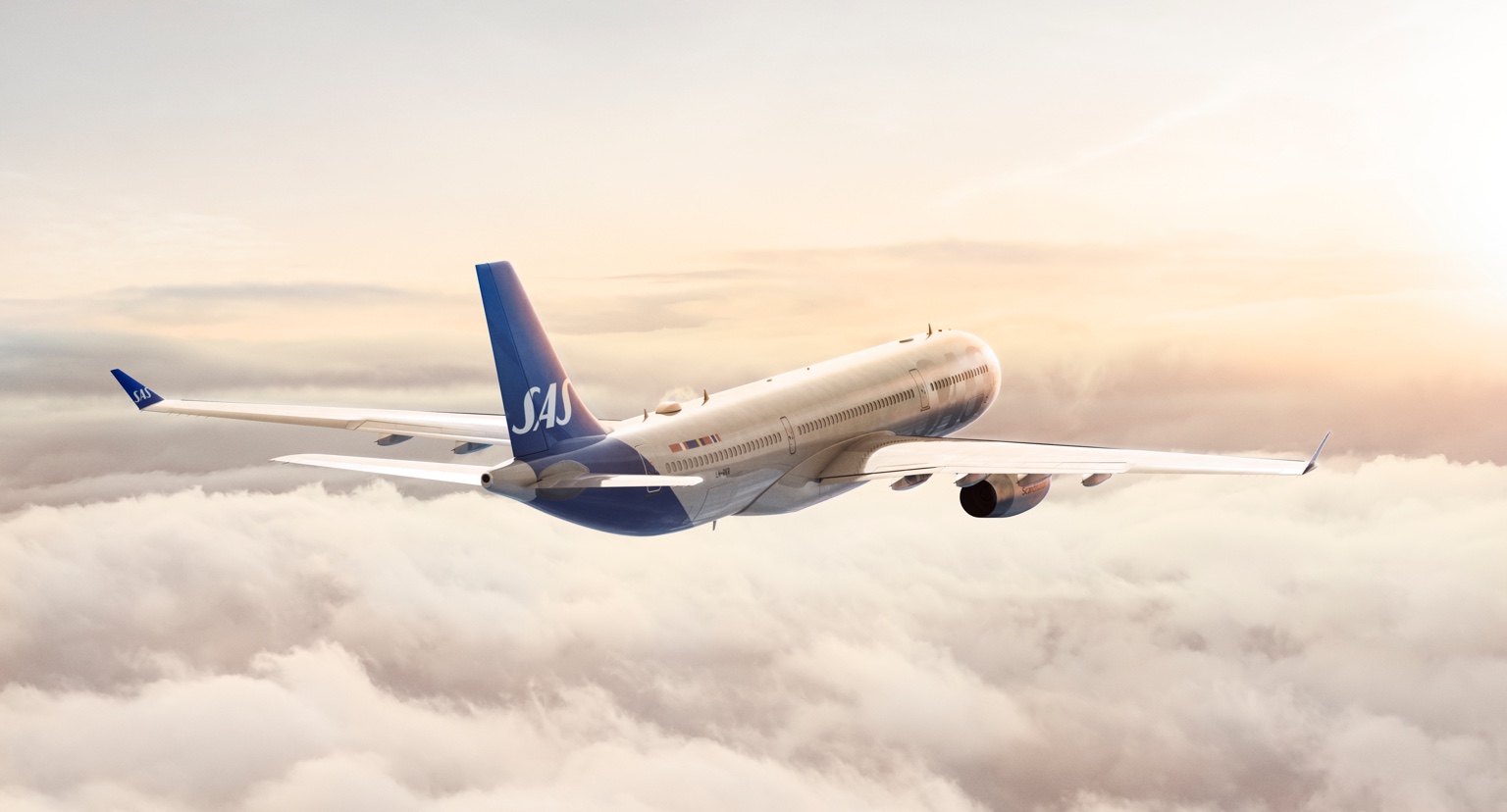
SAS is introducing an emergency cost-cutting program as higher jet-fuel prices put renewed pressure on the airline. The measures include tighter controls on hiring and outside spending, along with further adjustments to the traffic program.
According to Expressen, SAS CEO Anko van der Werff and CFO Jonathan Wallden outlined a six-point savings program in a message to employees. Dagens PS reports that the airline is strengthening its recruitment freeze, withdrawing open positions, limiting consultants and other non-essential external assignments, and requiring senior approval for business travel.
The airline is also continuing to adjust parts of its traffic program as fuel costs rise.
Schedule adjustments remain part of the savings plan
Dagens PS reports that continued changes to the traffic program may result in individual departures being removed and affected passengers being rebooked. SAS has not announced the scale of any such changes, and the reporting does not indicate widespread cancellations across the network.
For travelers, the key point is that the cost-cutting program is no longer limited to internal spending. It may also affect how SAS schedules some flights as the airline responds to a more expensive operating environment.
Jet-fuel prices are driving the pressure
The central issue is the sharp rise in aviation fuel costs. According to Dagens PS, SAS says the price of jet fuel climbed back above $1,700 per metric ton in September, around 150 percent higher than a year earlier.
Fuel is one of an airline’s largest operating expenses, so a rapid increase can quickly change the economics of individual routes and departures. For a carrier with an extensive Scandinavian and transatlantic network, even relatively small schedule adjustments can become meaningful when fuel prices remain elevated.
A broader push to rein in spending
The measures reported by Expressen and Dagens PS point to a wider effort to reduce costs across the business. In addition to recruitment restrictions and tighter controls on external spending, SAS is asking the organization to postpone or cut expenses that are not considered essential.
The move comes at a time when SAS has also been investing in growth, including network expansion and fleet development. The latest savings program therefore reflects a short-term response to higher operating costs rather than, based on the information currently available, a reversal of the airline’s longer-term strategy.
What this means for passengers
SAS has not announced a broad cancellation program, and travelers should not assume that an existing booking will be affected. However, passengers with upcoming trips may want to keep an eye on their itinerary while the airline continues adjusting parts of its schedule.
If SAS does cancel or significantly change a flight, the airline’s current cancellation guidance explains the available rebooking and refund options. For passengers traveling to or from the United States, SAS also outlines its obligations in its customer service plan.
For Scandinavian travelers in the United States, we will continue following the situation as SAS’ cost measures and schedule adjustments develop.
Featured image: SAS.


